Education is undergoing a significant digital transformation. Since intelligent classrooms are becoming virtual, technology is transforming the way we learn and teach, and the key in this transformation is Artificial Intelligence in Education. Existing AI in education in the year 2026 and beyond is involved in rendering the learning process more personalised, accessible, and efficient. Research indicates that AI is already applied in more than 47 percent of learning platforms to personalise lessons to the requirements of individual students.
AI in education has now been applied in the form of smart tutors, automated assessments, and AI-based learning analytics. A significant number of technology-based firms, including Infowind Technologies, are taking part in this revolution by creating smart solutions that make learning easier for both teachers and students. In this changing classroom world, there is no longer a choice as to whether to adopt AI, but as the gateway to a smarter, technology-driven future, it is the most important.
What is AI in Education?
Artificial Intelligence in Education refers to the application of intelligent computer tools, which can think, learn, and make decisions to enhance the way students learn, as well as the way teachers teach. To put it simply, AI in education serves as an artificial intelligence that will think through the needs of students, assist them in studying more efficiently, and assist teachers in their routine activities.
You can already feel the presence of AI in such a basic tool as ChatGPT, which can answer the questions immediately, or Duolingo, which can change a language lesson depending on your progress. Such are instances of the AI assisting individual learners. However, when we consider AI in classrooms, it goes even further, and it automates the process of grading, constructs custom-made lesson plans, and tracks student performance in real-time.
The use of AI in learning ensures that learning is smarter, quicker, and more open. Through artificial intelligence in the field of education, schools and universities can offer each learner a personalized, customized, and future-proof learning experience.
Also Read: Top-Rated Online Learning Apps in India
Benefits of AI in Education
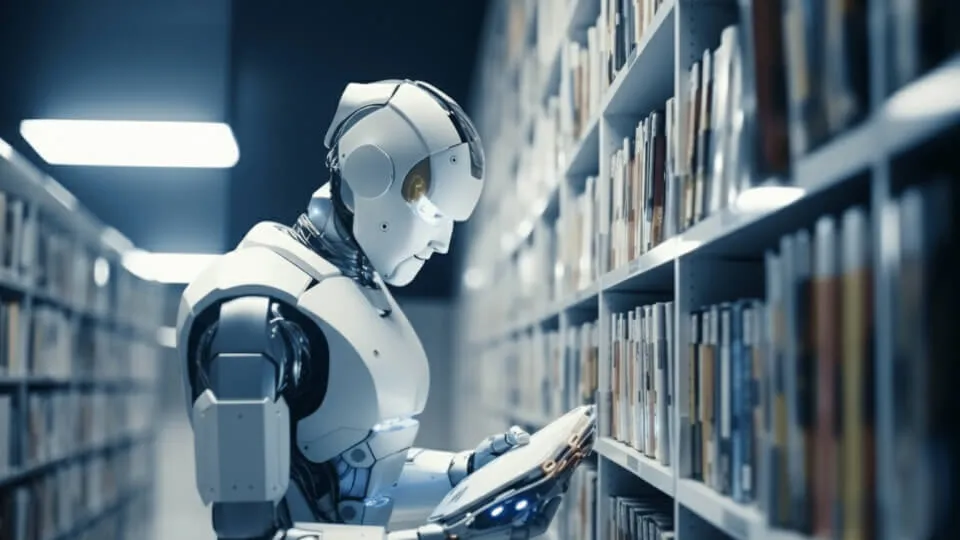
Artificial intelligence has brought changes to the way students learn and teachers teach, and the advantages of the latter in education have been transforming education. This is how AI is transforming the process of education into being smarter and more effective:
Personalized Learning
AI provides customized learning courses depending on the strengths and weaknesses of the students. In the case of AI tutors, learners are provided with one-on-one assistance at any time. eLearning Industry studies indicate that the engagement of the student is raised by 45 percent by AI-powered personalisation.
Administrative Efficiency
The AI system in education assists the teacher in saving time by automating the processes of grading, attendance, and scheduling. This enables instructors to pay more attention to innovativeness and engagement with students.
Improved Accessibility
The use of AI, including voice-to-text, translations, and speech recognition, can make the learning process more inclusive, with students with disabilities having equal chances.
Higher Student Engagement
Gamification of learning and interactive content based on AI makes the learning process more engaging and encourages students to be consistent and curious.
Data-Driven Insights
AI can be used to monitor and predict student performance using predictive analytics. It is reported that schools that use AI can detect struggling learners three times faster and provide timely assistance.
To summarise, artificial intelligence tools in education render the learning process more individualised, accessible, and interesting – establishing the basis of the future of smart learning.
Key Use Cases of AI in Education
Artificial intelligence applications in teaching are reshaping the classroom setting, elevating the learning process, accelerating it, and making it more accessible. The following are some of the most significant ways AI will be used in education:
Smart Content Creation
Quizzes, study materials, and lesson summaries can be developed in a few seconds by AI tools. As an example, Coursera employs AI to suggest course material and form practice questions that are specific to a particular learner based on their progress.
Virtual Tutors & Chatbots
Students are provided with 24/7 learning with AI-powered virtual tutors. Such sites as the Khan Academy, Khanmigo, and AI tutors of Duolingo provide immediate feedback, describe concepts, and walk students through the steps one after another just as a real teacher would.
Also Read: AI Chatbots That Talk Like Humans
The Arts of Learning Analytics and Early Intervention
Educational AI is used to assist educators in analysing the information about students to identify those who may be struggling. Predictive analytics can intervene in schools to enhance the success of the students.
AI in Language Learning
Applications like Duolingo have speech recognition and instant feedback that are used to enhance fluency and pronunciation. This renders the process of language learning enjoyable, interactive, and very personal.
Exam Proctoring & Security
AI proctoring systems focus on cheating in exams by watching online exams through facial recognition and behaviour analysis, which will contribute to fairness in the evaluation process and prevent cheating.
AI-Powered Career Guidance
Intelligent systems can evaluate the interests and performance of students and recommend to them the most appropriate career opportunities. Organisations such as Infowind Technologies are coming up with AI-powered educational tools that will offer directive learning to individuals aiming to improve their skills according to their future career prospects.
Not only are these applications of AI in education making the educational process efficient, but artificial intelligence in education is a game-changer in the way students develop appropriate skills in the future.

Challenges and Concerns of Artificial Intelligence in Education
Although the applications of artificial intelligence in education are both thrilling and promising, this technology also has some issues, which the schools and policymakers should consider. To ensure that AI in education will be an effective solution, these issues must be considered:
Privacy of Data and Student Safety
AI systems are based on the student information to customize learning. Nevertheless, it is important to secure this data. Schools should have solid data privacy policies that take into consideration data abuse or breach of confidential student data.
Ethical Concerns and Bias
Bias in AI models is also another big problem. In case an algorithm has been trained using small or disproportionate data, it may end up benefiting some groups of students by default. It is crucial to maintain education as an inclusive and impartial activity by creating equitable and open-minded AI systems.
Resistance and Adaptation of Teachers
The major concern of many educators is that AI will oust human instruction. As a matter of fact, artificial intelligence in education must assist, rather than substitute, teachers. When trained in this way, teachers can save time, become more creative, and direct students with the help of AI tools.
The Digital Divide
Technology is not equally available to all schools. This digital divide may abandon rural or low-income students. Governments and institutions should collaborate to make the use of AI in education affordable to all learners to access the full potential of AI.
Combating these challenges will establish an environment where AI in education is developed responsibly, establishing a balanced and inclusive future for every person.
How to Implement AI in Education
It is not only about installing new tools into the educational process, but also about making this process smarter and more efficient with the help of artificial intelligence. The following is a basic step-by-step guide that the schools and institutions can adopt in adopting AI in education:
Define Institutional Needs
Notice the problems that you are intending to address. Automation of the grading process? Better engagement with students? Customisation of learning? If you are familiar with your goals, the appropriate AI solution will be easy.
Choose the Appropriate AI Tools/Platforms
Find the AI-powered tools of education to suit you. Coursera and Khan Academy provide content creation, analytics, and student service intelligent systems.
Ensure Teacher Training
The teachers are critical in the application of AI in classes. Periodic training will make educators learn how to implement AI tools in a successful and non-fearful manner.
Start with Pilot Projects
Start small – Pilot AI is used in education on a small scale. This assists in determining the best before trying to spread departmentally or across campuses.
Measure Performance and Scale Incrementally
Measure student progress, teacher efficiency, and time saved. Consider the ROI, and after that, scale further.
Take Cost and Sustainability into Account
The application of AI in the educational process can be cheap when properly planned. Select cloud-enabled solutions that have advanced price visibility and free servicing.
These steps will help institutions to maximise the value of artificial intelligence in education and also ensure that the value, efficiency, and measurable outcomes are achieved.
Future Trends in AI for Education
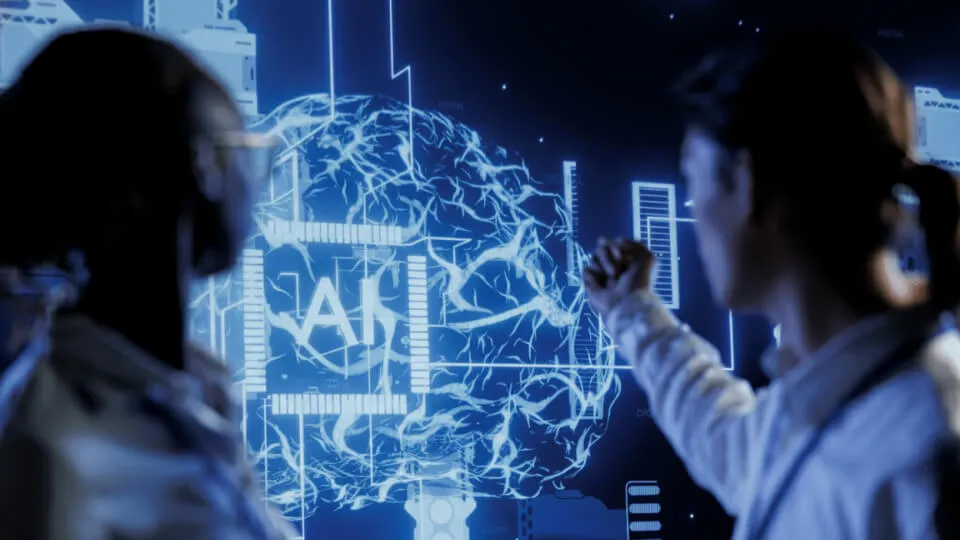
Artificial intelligence in education has never been as promising as it is going to be. Due to the development of technology, AIs in education are now shifting beyond automation to develop a genuinely smart, three-dimensional, and personalized learning experience. The following are the main trends that are influencing the classroom tomorrow:
Immersive Learning Based on AI and VR (AI-Powered)
Virtual Reality (VR) and AI are changing the nature of the experience of students. Just imagine that you get to learn what it is like to be in space by having an AI-guided VR tour or engaging with medical practice in a virtual lab. Such experience exercises make the process of learning more involved and realistic.
Hyper-Personalisation Through Generative AI
Hyper-personalised learning is the next major advancement in the field of AI applications in education. There is a chance to use generative AI and create individual learning materials, examples, and quizzes based on the level, interests, and speed of each learner, making every student a classroom with a personal teacher.
Lifelong Learning on Adaptive AI
Further education will not end with graduation. The AI-based lifelong learning solutions will evolve continuously with the professional development of a career and their skillset to enable professionals to remain relevant in the dynamically shifting world.
Collaboration Between Humans and AI in Teaching
The future is not in substituting teachers but in empowering them. Artificial intelligence in education will help teachers to rely on analytics, grading, and lesson planning, and concentrate on creativity and emotional engagement with students.
As these future possibilities of AI in education become reality, the aim of the same is to get smarter, more personalized, and inclusive learning experiences that get all the learners ready to live in a dynamic AI-driven world.
Conclusion
Artificial intelligence in education can be illustrated through the path that the technology can take to revolutionise learning. Individualised learning and AI tutors, data-driven learning, and virtual classrooms are just a few of the ways AI in education is creating a more flexible, inclusive, and interactive learning and teaching experience, both for students and teachers.
But when we accommodate these innovations, we need to maintain a balance wherein we use AI in education to assist but not substitute teachers. The mentorship of human beings, innovation, and compassion will always be at the centre stage of good learning.
AI solutions that infuse smart, ethical, and accessible technologies are being created by organisations such as Infowind Technologies to assist schools and organisations in adopting technology responsibly.
You can get in touch with us to find out more about future-ready education solutions that will improve your learning environment or institution. Collectively, we will be able to create a smarter, more connected future for all learners.